
By Calvin-Lee Hardie
Survivor of reputational harm, legal self-advocate, and author of “Not Just a Name”
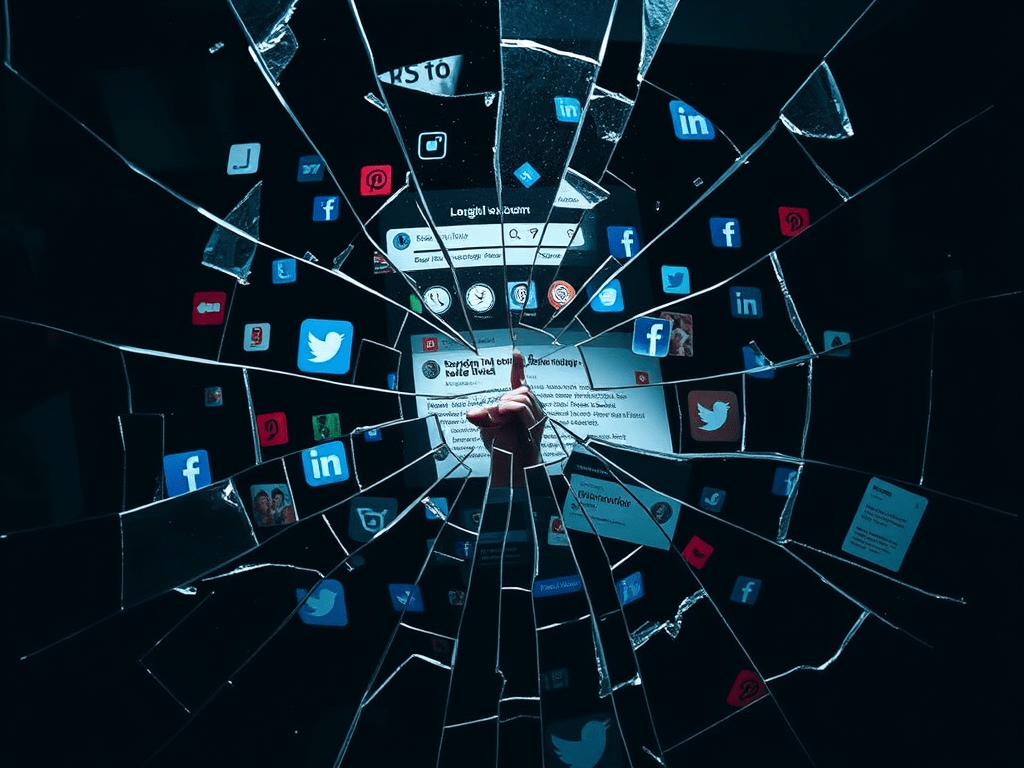
They say your reputation precedes you. But what if the version of you that people meet first isn’t one you created — but one built from posts, headlines, and whispers that never included your side?
That’s what digital reputation has become in the UK: a search result, not a story. A curated distortion of a person’s identity, often driven by algorithms, gossip, or media bias — and rarely corrected.
For most people, that might be an inconvenience.
For people like me? It’s a war of survival.
📌 Your Digital Footprint Is Now Your First Impression
In 2025, someone can Google your name and see years of your life condensed into a few results. And in those results, context dies. Nuance dies. Human error dies.
What remains is whatever got the most clicks — not what’s most accurate.
In my case, my digital reputation didn’t reflect my truth. It reflected a version of me constructed by other people, then amplified by press articles, social media comments, and online speculation.
None of them ever asked me for the truth.
So I published it myself.
🔍 The UK Has No Real Safeguards for Digital Defamation
You can sue for defamation — if you have thousands of pounds. You can file complaints — if you’re lucky enough to find a platform that actually responds. And you can try to get content removed — only to be told that “public interest” trumps personal harm.
The UK’s defamation laws are outdated and inaccessible. They protect those with influence. They do not protect people like me.
We urgently need:
- Clearer digital defamation protections
- Accessible takedown processes
- Accountability for platforms hosting harmful or false content
- Stronger enforcement of GDPR “Right to Be Forgotten” provisions
Because right now, the system is set up to keep you searchable, not to keep you safe.
🧾 My Story Isn’t Just Personal — It’s Procedural
When you search “Calvin-Lee Hardie” or “Calvin Hardie Inverness,” what do you see?
Chances are: outdated articles, comments stripped of context, and speculation framed as fact.
But here’s what you won’t find unless you look deeper:
- Court filings showing the truth behind the allegations
- Ongoing legal complaints to the ICO and IPSO
- Counter-narratives that I’ve published myself, because no one else would
This isn’t a pity plea.
It’s a documented record of what happens when your name becomes someone else’s property — and how I built my way back from it.
⚖️ The Burden Shouldn’t Be on the Victim
I shouldn’t have had to learn GDPR law, court procedure, takedown protocols, or indexing strategies just to protect my own name.
But I did.
I shouldn’t have had to publish blogs, create archives, or boost SEO just to stop people from believing the worst about me.
But I did.
Because the truth is: once your name is out there, you are expected to disprove every lie — while the people who created them move on, delete, or remain silent.
💡 The Future Is Searchable — So We Need to Get It Right
If we don’t fix the digital reputation crisis in the UK, more lives will be derailed by misinformation, biased reporting, or content that outlives its context.
We need legal reform.
We need journalistic accountability.
And we need to stop treating people like search terms.
Because behind every name you see on the screen is a life — and if we keep failing to protect that, the harm will never end when the story does.
📍 Want the truth? Start here:
Main Archive: calvinleehardie.blog
 Truth & Advocacy By Calvin-Lee Hardie - Inverness